
Choosing the right ERP system is key for Malaysian SME's looking at streamlining their operations, ensuring compliance, and forcing their growth onwards in 2025. With numerous options available, it's essential to focus on systems that offer local support, regulatory compliance features, and scalable solutions tailored to Malaysian business needs. Below is a summary breakdown of what would be their greatest pain points for SME's in Malaysia.
Why Malaysian SMEs Need ERP Systems
Current Business Challenges
Manual Process Dependencies: Malaysian SME's are still mostly reliant on a collection of spreadsheets, manual approval process, and disconnected sales data to run their business. The combination of these methods is causing frequent mistakes, and other missed chances to conduct business with inefficiencies for growth.
Limited Digital Expertise: Many SMEs, particularly family-run businesses,struggle with digital adoption due to their limited IT knowledge, attention to innovation in the IT industry, and/or possibly emotional attachment to their legacy way of doing business. Having the proper skill sets allows people to better take advantage of technics and reap the benefits of operational efficiency and competitive advantage.
Budget Constraints and ROI Expectations: Malaysian SMEs operate with tight budgets and expect quick returns on technology investments, usually between 3-6 months rather than considering the cumulative investment over time it may take to get the proper ROI.
Regulatory Compliance Requirements: With the frequent changes to regulatory compliance through things like SST updates or mandatory e-invoicing regulations, SMEs that are trying to keep up with compliance through manual processes are becoming increasingly burdened with the administration required and pressure for legal liability.
Local Market Requirements: Malaysian businesses require ERP systems with bilingual interfaces (English/Bahasa Malaysia), local payroll integration (EPF, SOCSO, EIS); integrate with popular local software such as the SQL Account and UBS systems.
ERP Solution Benefits
Streamlined Operations: Contemporary modular ERP systems enable SMEs to start with basic modules (for example, accounting and inventory), while allowing these customizations to be expanded in a scalable way, all remaining financially-feasible, and increasing operational efficiencies.
Compliance Automation: A benefit to ERP systems is they have pre-installed SST and e-invoicing modules that have pre-populated tax calculations and regular compliance check and updates, thereby reducing manual calculations/errors, the risk of audit findings, and likely to eliminate late payments.
Local Support Access: On-going local partnerships with local vendors ensures timely training, setup assistance and on-going technical support in local languages.
System Integration: Comprehensive ERP solutions also integrate with existing Malaysian toolsets (e.g. SQL accounting) assists in avoiding data siloes and supports selling and operational workflows that many SMEs are already accustomed to and may prefer.
Cloud Deployment: Almost all the ERP systems are affordable and cloud-based, with simply, low-difficulty onboarding and offering fewer IT infrastructure needs, support, and lower upfront costs.
Top 5 ERP Systems for Malaysian SMEs
1. Odoo ERP
Best Overall Choice for Flexibility
Odoo is a very customizable and flexible open-source ERP system that offers the potential for managing every aspect of the business via modular deployment.
Key Features:
- Comprehensive modules covering accounting, inventory, CRM, sales, HR, and manufacturing
- Highly customizable to fit with unique business processes
- Available in both a free (Community) open-source edition and an Enterprise edition with all advanced feature sets.
- Strong Malaysian partner network for local support
- Modular approach allows gradual implementation
Ideal For: SMEs focused on getting complete functionality with the maximum flexibility to adjust the system constantly as the needs change.
Pricing:
- Community Version: Free
- Enterprise Version: Starting from RM120/user/month
Why Choose Odoo:
- Good track record in the Malaysian market
- Highly customizable
- Cost-effective scaling from small to large operations
- Active community of local developers and consultants in Malaysia
For SMEs seeking flexibility and scalability, A1 Consulting’s Odoo ERP services can be a strong starting point!
2. SAP
Enterprise-Grade Solution for Growth-Oriented SMEs
SAP provides enterprise-class functionality designed for the SME, from trusted international experts, and strong presence throughout Malaysia.
Key Features:
- Full end to end process coverage
- Strong analytics and reporting capabilities with added business intelligence
- Industry-specific modules and configurations
- Detailed financial management and reporting
- Integration with third-party and partner systems
Ideal For: Growing SMEs looking for enterprise-class functionality, comprehensive functionality, as well as projected future business growth.
Pricing: Custom pricing from authorised partners in Malaysia
Why Choose SAP Business One:
- Global enterprise class solution
- Complete business coverage
- Strong local partner support network
- Proven scalable response to business growth
Read more: Odoo vs SAP: Choosing the Perfect Match for Your Growth Journey in Malaysia
3. SQL Account + ERP
Perfect Upgrade for Existing SQL Account Users
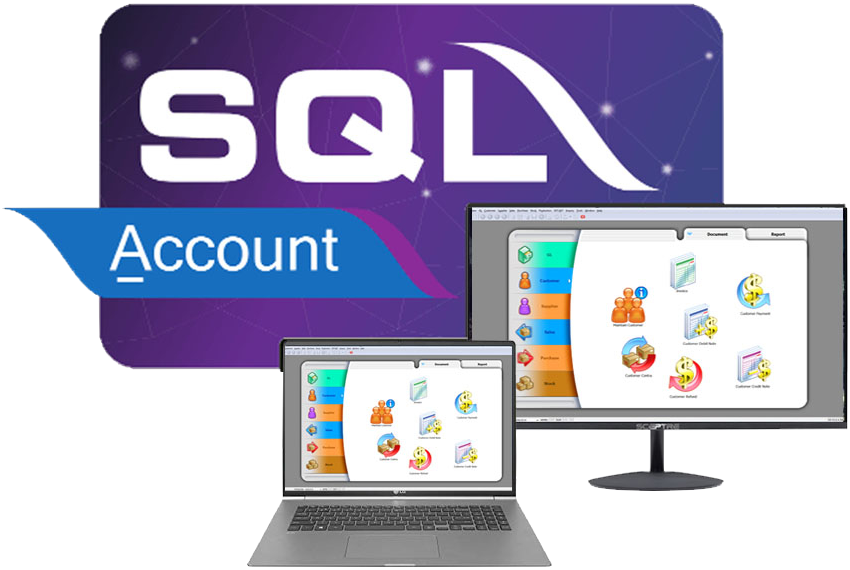
SQL Account offers a natural progression path for Malaysian SMEs already using this popular accounting platform, providing familiar interfaces with expanded ERP capabilities.
Key Features:
- Familiar interface for existing SQL Account users
- Pre-configured GST/SST compliance features
- Seamless payroll and inventory integration
- Strong local expertise and support
- Gradual upgrade path from accounting to full ERP
Ideal For: SMEs currently using SQL Account who want a cost-effective, familiar upgrade to comprehensive business management.
Pricing: Custom quotations available through local partners
Why Choose SQL Account + ERP:
- Minimal learning curve for existing users
- Strong local market presence
- Proven compliance with Malaysian regulations
- Cost-effective upgrade path
Explore: SQL Database and Odoo ERP: The Smart Accounting Solution for Malaysian Businesses
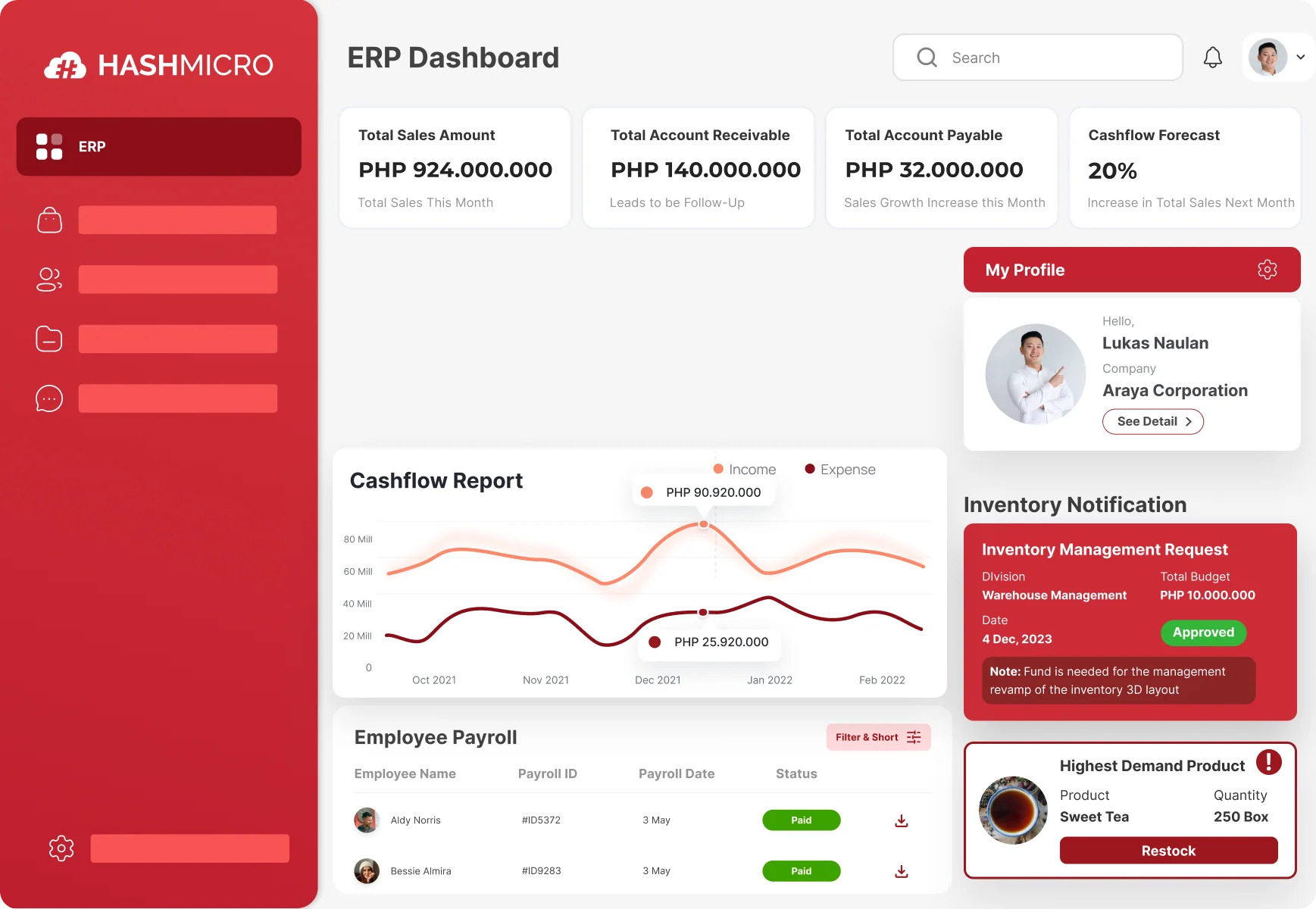
4. HashMicro ERP
Industry-Specific Solutions with Local Expertise
HashMicro provides modular ERP solutions with strong regional presence, specializing in industry-specific implementations across Malaysia and Singapore.
Key Features:
- Industry-specific modules for F&B, trading, and distribution
- Multi-location business support
- Flexible configuration options
- Local implementation team with Malaysian market expertise
- Comprehensive training and support programs
Ideal For: SMEs with multi-locations or operational complexities or specific industry experiences which require dedicated functionality.
Pricing: Quotation-based with free demos and consultations available
Why Choose HashMicro:
- Deep understanding of Malaysian business practices
- Industry-specific expertise
- Local implementation and support team
- Proven track record in Southeast Asian markets
5. Kladana ERP
Budget-Friendly Solution for Small Businesses
Kladana offers cloud-based ERP specifically targeting small manufacturers, distributors, and retailers through affordable, straightforward plans.
Key Features:
- Simple, user-friendly onboarding process
- GST-compliant invoicing and tax management
- Integration with popular Malaysian business tools
- Free plan available for smallest businesses
- Cloud-based with automatic updates
Ideal For: Micro and small businesses beginning digital transformation on tight budgets while requiring future scalability.
Pricing:
- Free Plan: Basic features for small operations
- Paid Plans: Starting from $60/year
Why Choose Kladana:
- Lowest barrier to entry
- Quick implementation timeline
- No upfront infrastructure costs
- Scalable as business grows
ERP System Comparison
System | Best For | Local Support | Starting Price | Key Advantage |
Odoo | Maximum flexibility & customization | Excellent | Free/RM120/user/month | Most versatile solution |
SAP Business One | Enterprise-grade requirements | Excellent | Custom quote | Comprehensive business coverage |
SQL Account + ERP | Existing SQL Account users | Strong | Custom quote | Familiar upgrade path |
HashMicro | Industry-specific needs | Strong | Custom quote | Specialized industry solutions |
Kladana | Budget-conscious small businesses | Available | Free/$60/year | Most affordable option |
Factors of Successful Implementation
Key Performance Metrics
Operational Efficiency
- Reduction of manual and spreadsheet efforts
- Improvement in time to complete a process (procure-to-pay, or order-to-cash)
- Improvement in inventory accuracy and inventory management
Financial Impact
- Cost-savings from streamlined workflows
- Calculation of return on investment
- Reduced operational and compliance costs
User Adoption
- Percentage of employees using the software
- User satisfaction scores
- Reduction in support tickets after go-live
Compliance Improvements
- On-time regulatory filing rates
- Reduction in compliance errors
- Improved audit readiness
Best Practices for Success
Start Small and Scale Gradually: Start with the modules that will address the most pressing business bottlenecks and expand as necessary.
Invest in Training: Allocate sufficient time and resources for comprehensive staff training and process documentation.
Choose Proven Local Partners: Select ERP systems with established local implementation partners who understand Malaysian business requirements.
Measure Progress Regularly: Establish baseline metrics before implementation and reassess progress 3-6 months after go-live.
Making the Right Decision
When selecting an ERP system for your Malaysian SME, here are some important factors to consider:
- Business Size and Complexity: Smaller operations may benefit from Kladana's simplicity, while growing companies should consider Odoo or SAP Business One's scalability.
- Industry Requirements: Businesses with specific industry needs should evaluate HashMicro's specialized solutions.
- Existing Systems: Companies already using SQL Account should strongly consider the natural upgrade path.
- Budget and Timeline: Balance upfront costs with long-term value, remembering that cheaper systems may require more customization later.
- Local Support Needs: Ensure your chosen system has reliable local partners for implementation and ongoing support.
Frequently Asked Questions (FAQs)
Q: What is the average time it will take to implement an ERP system for a Malaysian SME?
A: The time taken will vary depending on the complexity of the system as well as the size of the business. Simple cloud-based software systems such as Kladana can be implemented in as little as 2 to 4 weeks, while complex systems such as SAP Business One or customized Odoo implementations may take an average of 3 to 6 months. The key is phased implementation, implementing core modules and gradually adding expanding the modules and functionality.
Q: What is the total cost of ownership, not just software license?
A: Total cost includes software licenses, implementation services, training, data migration, customization, and ongoing support. Budget approximately 2-3x the annual software cost for the first year to cover implementation and setup. For example, if software costs RM10,000 annually, budget RM20,000-30,000 for the first year including implementation.
Q: Will these ERP systems comply with e-invoicing in Malaysia?
A: Yes, all recommended systems either have built-in e-invoicing capabilities or are developing compliance modules. Odoo, SAP Business One, and SQL Account + ERP already support Malaysian e-invoicing requirements. Verify current compliance status with your implementation partner during selection.
Q: Do we need dedicated IT staff to manage an ERP system?
A: Not necessarily. Cloud-based systems like Kladana and Odoo Community require minimal IT management. However, having at least one tech-savvy employee as a "super user" is beneficial. Many Malaysian businesses successfully operate ERP systems with external IT support or managed services from local partners.
Q: Can we start-off with a basic version, and do upgrades after?
A: Yes. In fact, this is the best practice for most SMEs. Systems like Odoo and Kladana are built particularly to take a modular approach for growth. Get started with the base modules (accounting, inventory), and then grow your functionality (CRM, manufacturing, HR) concurrently with your growth and budget.
Conclusion
Malaysian SMEs in 2025 have access to excellent ERP solutions designed for local market needs. Whether you choose the flexibility of Odoo, the enterprise capabilities of SAP Business One, the familiarity of SQL Account + ERP, the industry focus of HashMicro, or the affordability of Kladana, success depends on selecting the right fit for your specific business requirements and implementing it with proper planning, training, and local support.
The most important thing is to start your digital transformation journey by selecting a system that meets your current needs and leaves you room for future growth. If you choose the right ERP solution, and implement it correctly and appropriately, Malaysian SMEs should be able to enhance their operational efficiency, ensure regulatory compliance, and set themselves up for sustainable business success.
Contact A1 Consulting now to book a consultation and explore the best-fit ERP solution for your SME.

Sally N.
BDM - Partner and Alliance
With over 7 years of experience in ERP advisory, Sally has worked closely with SMEs across Malaysia to streamline operations and drive digital transformation. Her deep understanding of business processes and hands-on approach have made her a trusted advisor to many growing companies. Through this blog post, Sally aims to share practical insights and real-world lessons drawn from her implementation experience, offering guidance to businesses navigating their own ERP journey.